
Managed IT and Physical Security Integration for Commercial Properties
How to Choose a Provider
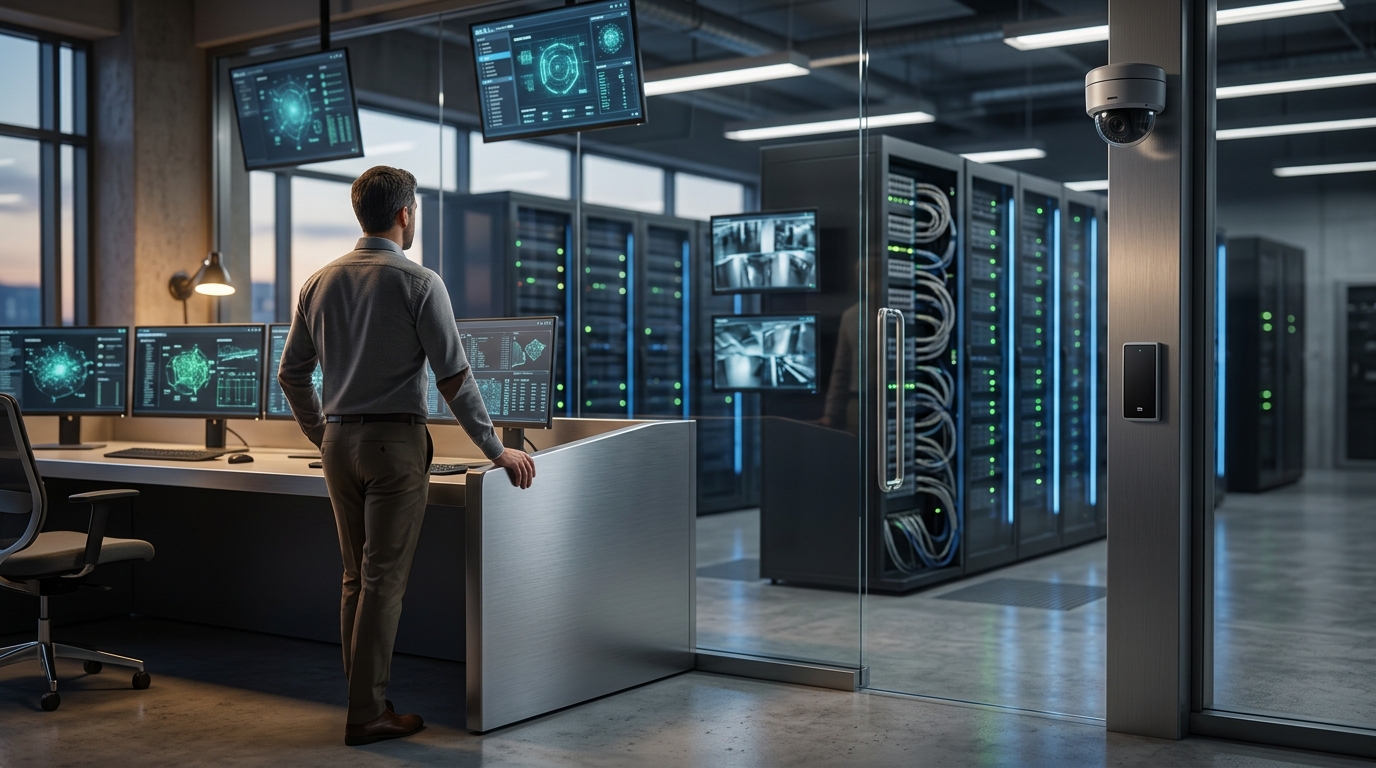
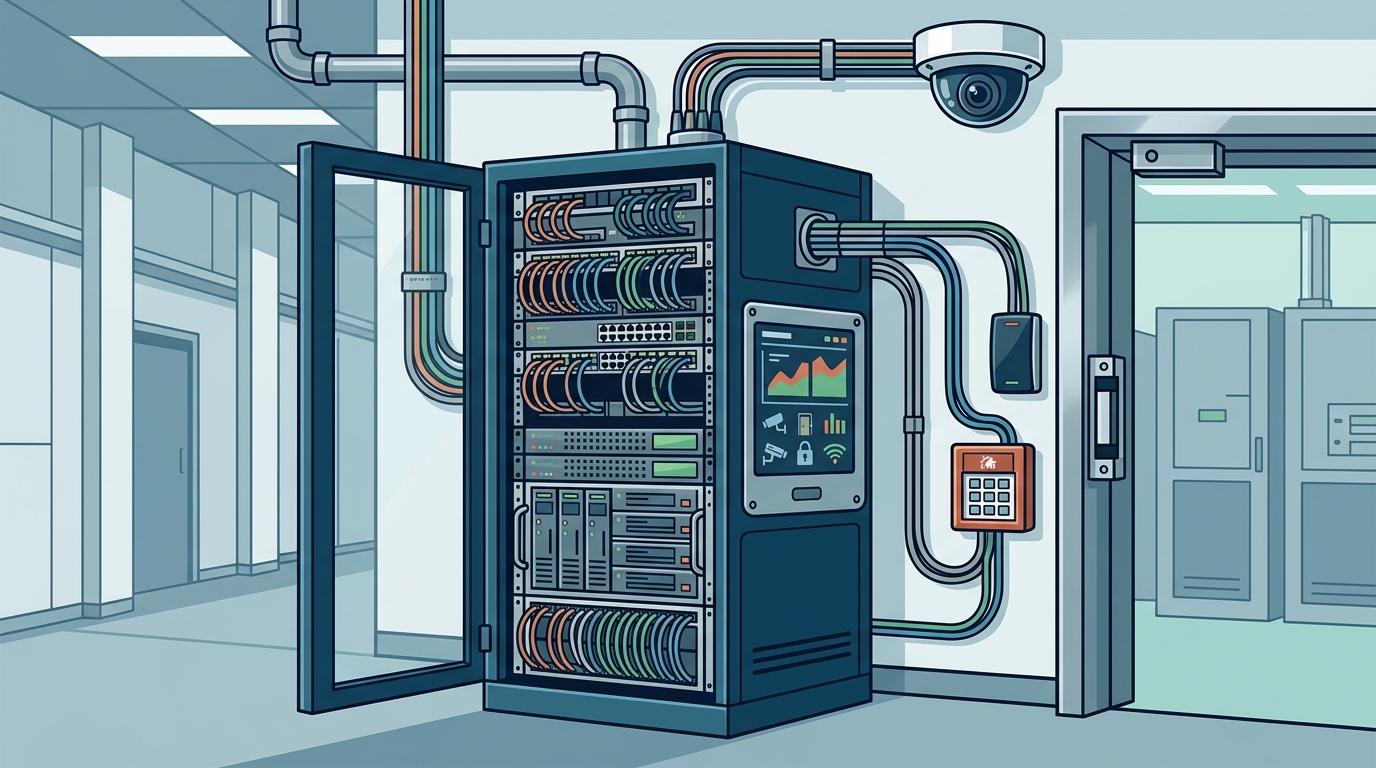
Choosing the right partner requires looking beyond basic service lists. A strong provider integrates digital and physical systems into a single management layer. This integration reduces blind spots between IT and security teams. You should look for a company that handles both the network infrastructure and the physical access controls. This unified approach ensures that a security camera feed does not crash the office network. It also means that access control logs are stored securely on the same managed platform. For additional details, review the mooretech biz.
Integration Capability
Integration capability is the ability to connect disparate hardware and software systems into a cohesive whole. A provider that only sells cameras or only manages servers is limited. You need a partner that can bridge the gap between physical security devices and IT networks. This requires deep knowledge of both domains. Look for evidence of successful integrations in similar commercial environments. For additional details, review the .
Scope of Services
What to Ask Before Committing
Specific questions reveal the depth of a provider's expertise. Vague answers are a red flag. You need concrete details about their operational processes. Ask about their incident response procedures. Ask how they handle firmware updates for security devices. Ask about their data retention policies for video and access logs. These questions test their operational maturity. For additional details, review the Customer Experience.
Operational Questions
Ask how they monitor systems in real-time. Do they have a dedicated team watching for alerts? Or do they rely on automated scripts that might miss subtle issues? Ask about their communication protocols during an incident. You need to know who to call and how fast they will respond. Clarity in these answers is critical for peace of mind. For additional details, review the Frequently Asked Questions.
Technical Questions
Ask about their approach to network segmentation. How do they isolate security devices from the main business network? This is a critical security practice. Ask about their backup strategies for configuration files. If a controller fails, can they restore the system quickly? These technical details separate experienced engineers from generalists. For additional details, review the About.
How to Verify Credentials
Verifying claims is essential in the technology sector. Many providers make broad claims about their capabilities. You should check their actual track record. Look for case studies that detail specific projects. Ask for references from current clients in your industry. Verify that their team has the necessary technical training. This step ensures that the provider can deliver on its promises. according to HVAC School Oklahoma
Checking References
References provide insight into the provider's reliability. Ask for contact information for at least three recent clients. Call them and ask about the provider's responsiveness. Ask about any issues that arose and how they were resolved. This direct feedback is more valuable than any marketing material.
Reviewing Case Studies
Case studies show how a provider handles complex scenarios. Look for examples that match your property type. A provider that has integrated systems in a warehouse may have different strengths than one that focuses on office buildings. Review the technical details in the case studies. This helps you assess their technical depth.
How the Process Works
The implementation process follows a structured sequence. It begins with a site assessment. This involves a physical walkthrough and a network audit. The provider identifies existing assets and gaps. Next is the design phase. They create a blueprint for the integrated system. Then comes the installation phase. This involves deploying hardware and configuring software. Finally, the system is handed over for managed support. This process ensures a smooth transition.
Site Assessment
The site assessment is the foundation of the project. It requires a detailed inventory of current technology. The provider maps out the physical layout. They identify potential vulnerabilities. This phase sets the scope for the rest of the project. A thorough assessment prevents costly changes later.
Design and Installation
What It Costs
Hardware and Software
Service and Support
Common Mistakes to Avoid
Many projects fail due to avoidable errors. One common mistake is underestimating the complexity of integration. Another is choosing a provider based solely on price. Low bids often hide hidden costs or poor service. A third mistake is neglecting documentation. Without proper documentation, future maintenance becomes difficult. Avoiding these mistakes requires careful planning and due diligence.
Underestimating Complexity
Ignoring Documentation
Versus Alternatives
Separate Vendors
Using separate vendors for IT and security creates silos. Communication between vendors can be slow. This delays incident resolution. It also makes it difficult to implement integrated features. For example, linking access control to network authentication requires close coordination. Separate vendors may not be willing to collaborate. This limits the potential of your technology investment.
In-House Management
In-house management gives you direct control. It requires hiring skilled staff. These staff must be available 24/7 for critical systems. The cost of hiring and retaining such talent is high. It also creates a single point of failure if a key employee leaves. Outsourcing to a managed service provider distributes this risk. It also provides access to a broader pool of expertise.
For a Specific Situation
The answer changes based on your specific property type. A multi-tenant office building has different needs than a single-tenant warehouse. A retail store has different needs than a data center. You must tailor the solution to your specific context. Consider the number of users, the type of data, and the physical layout. These factors influence the design and cost of the system.
Multi-Tenant Buildings
Multi-tenant buildings require strict segmentation. Each tenant needs isolated network and security zones. This prevents one tenant from accessing another's data. It also allows for individual billing and management. The provider must be experienced in multi-tenant environments. They must understand the legal and technical requirements for isolation.
Industrial Facilities
Industrial facilities have harsher environmental conditions. Dust, heat, and vibration can affect equipment. The provider must select industrial-grade hardware. They must also design for easy maintenance. Access control in these facilities often involves heavy doors and gates. The provider must ensure that the systems can handle these physical demands.
Rules and Protections
Regulations and standards apply to commercial technology. You must comply with local building codes. You must also comply with data privacy laws. These laws dictate how you store and handle personal data. The provider must be aware of these regulations. They must design the system to meet these requirements. This ensures that you are protected from legal liability.
Data Privacy
Building Codes
Building codes dictate the installation of security systems. They specify the type of hardware and the location of devices. The provider must be familiar with local codes. They must ensure that the installation meets these requirements. This prevents issues during inspections. It also ensures that the system is safe and effective.
Local Specifics
Local conditions influence the design of the system. Climate, crime rates, and local regulations vary by region. In Montana, cold weather can affect outdoor equipment. In Texas, heat and humidity can impact hardware. In Colorado, altitude can affect network performance. The provider must account for these local factors. They must select equipment that is rated for the local environment.
Climate Considerations
Climate is a critical factor in equipment selection. Outdoor cameras and access control readers must withstand local weather. In cold climates, equipment must be rated for low temperatures. In hot climates, equipment must be rated for high temperatures. The provider must specify the operating range of each device. This ensures reliability in all seasons.
Regulatory Environment
Local regulations vary by state and municipality. Some areas have specific requirements for video surveillance. Others have strict rules on data retention. The provider must be aware of these local rules. They must design the system to comply with them. This ensures that you are not in violation of local laws.
Timing and Outcomes
Timing affects the outcome of the project. You should start the process early. This allows time for design and procurement. It also allows for testing and training. If you wait until the last minute, you will face pressure. This pressure can lead to shortcuts. Shortcuts can compromise the quality of the system. Start the process at least three to six months before you need the system.
Procurement Lead Times
Hardware procurement can take weeks or months. Some specialized equipment has long lead times. You must order this equipment early. If you wait, you will face delays. These delays can push back your go-live date. Plan for these lead times in your project schedule. This ensures that you have the equipment when you need it.
Training and Transition
Training is essential for a smooth transition. Your staff must learn how to use the new system. This takes time. You must schedule training sessions. You must also provide documentation. This ensures that your staff is confident in using the system. A well-trained staff reduces the burden on the support team.
Results Over Time
The value of the system grows over time. Initially, you focus on installation and configuration. Over time, you focus on optimization and improvement. The provider should provide regular reports. These reports show the performance of the system. They highlight areas for improvement. This continuous improvement ensures that the system stays effective. It also helps you justify the investment to stakeholders.
Performance Metrics
Long-Term Value
Long-term value comes from reliability and efficiency. A well-managed system reduces downtime. It also reduces the cost of manual management. Over time, these savings offset the initial investment. The provider should help you track these savings. This demonstrates the value of the partnership. It also helps you plan for future upgrades.
Key Takeaways
- Choose a provider that integrates IT and physical security into a single management layer.
- Ask specific questions about operational processes and technical capabilities.
- Verify credentials by checking references and reviewing case studies.
- Understand the cost components, including hardware, software, and ongoing support.
- Avoid common mistakes like underestimating complexity and ignoring documentation.
- Consider the specific needs of your property type when designing the system.
- Comply with local regulations and data privacy laws.
- Start the process early to allow time for procurement and training.
Frequently Asked Questions
Does Moore Technology and Security provide managed IT support?
Do you integrate physical security with IT systems?
Yes, we integrate physical security systems like cameras and access control with IT networks. This creates a unified management platform.
What areas do you serve?
We serve commercial properties in Montana, Texas, and Colorado.
How long does the installation process take?
The timeline depends on the project scope. It typically ranges from a few weeks to several months.
What is the cost of managed IT and security?
Costs vary based on hardware, software, and service levels. We provide custom quotes based on your needs.
Do you provide 24/7 monitoring?
How do I verify your credentials?
You can ask for references and case studies. We are happy to provide these to demonstrate our experience.