
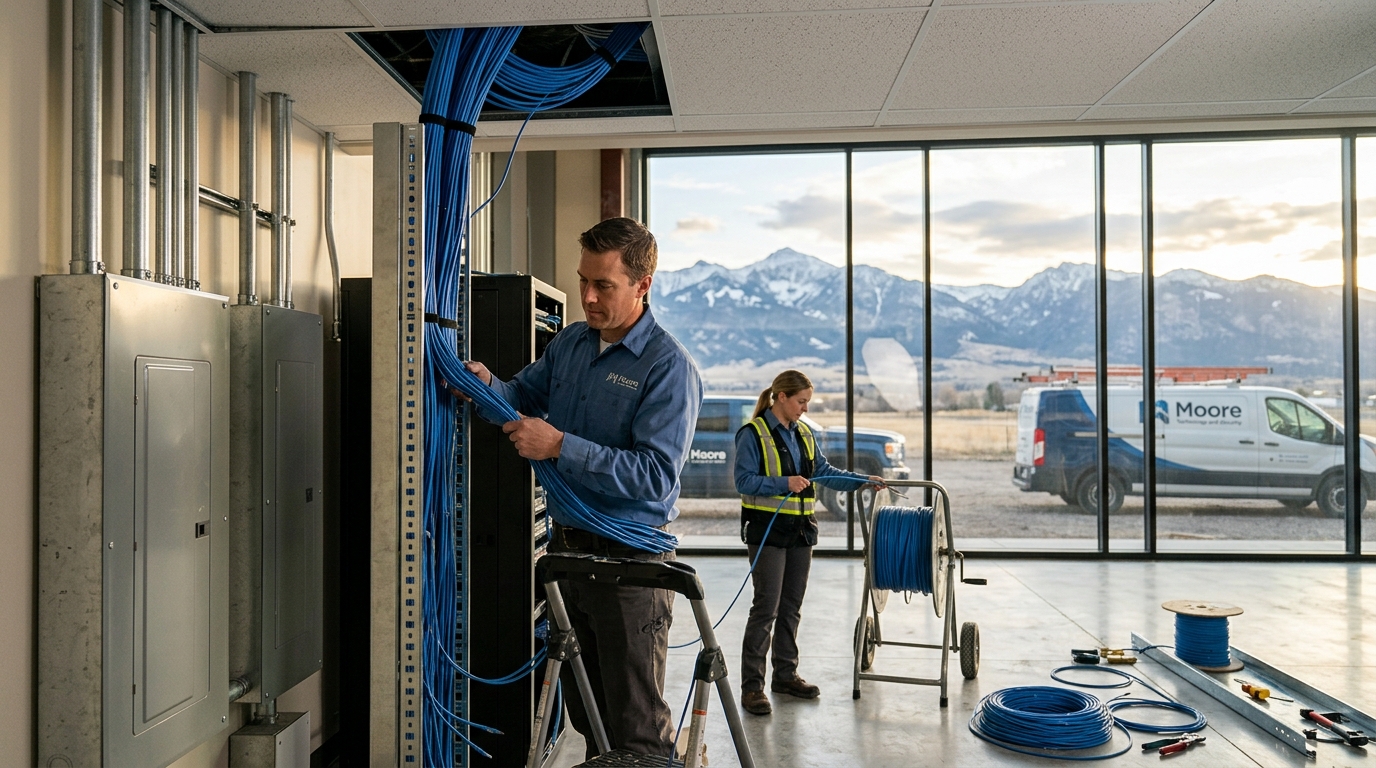
Moore Technology and Security provides a clear breakdown of the typical cost structure for a complete structured cabling and network infrastructure project in Montana. This guide covers the primary financial drivers, including labor, materials, and testing, to help business owners budget accurately. We explain how site-specific access difficulties impact final pricing and provide a framework for evaluating vendor quotes. By understanding these components, you can avoid unexpected overruns and ensure your investment delivers long-term value. For additional details, review the 403 Forbidden.
Primary Cost Drivers in Montana
The total cost of a structured cabling project is rarely a flat rate. It is a composite of several distinct variables. Understanding these variables allows for more accurate forecasting. The three main pillars are materials, labor, and site conditions. For additional details, review the .
Materials and Hardware
Labor and Installation
Labor is the most significant variable in any infrastructure project. It usually represents 50% to 60% of the total budget. Rates vary by region within the state. Urban areas like Billings and Missoula may have higher hourly rates than rural locations. However, rural projects often incur higher mobilization costs. These are the expenses associated with transporting crews and equipment to remote sites. For additional details, review the Customer Experience.
Site Conditions
The physical state of the building dictates the complexity of the work. New construction is generally cheaper per drop than retrofitting an existing building. Retrofitting requires fishing cables through existing walls, ceilings, and floors. This process is slower and requires more skilled labor. It also carries a higher risk of damaging existing infrastructure. For additional details, review the Frequently Asked Questions.
Testing and Certification
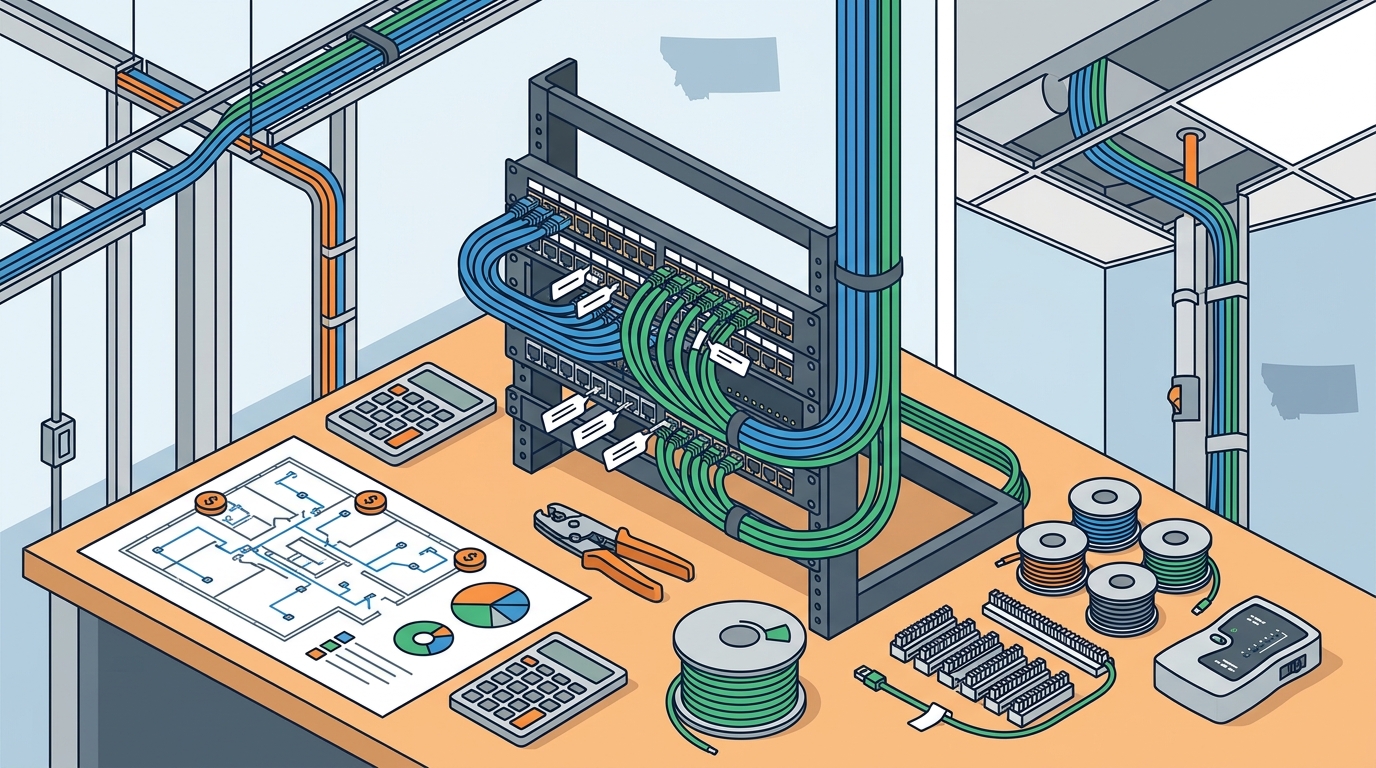
Structured cabling certification is the process of verifying that the installed network meets specific performance standards. It is not optional for commercial projects. It is a requirement for warranty validity and long-term reliability. Certification ensures that every cable run can handle the data speeds and power loads required by your devices. For additional details, review the About.
Why Certification Matters
Without proper testing, you are flying blind. A cable that looks installed correctly may have a subtle fault that causes intermittent connectivity issues. These issues are difficult to diagnose and expensive to fix after the fact. Certification provides a permanent record of the network's performance. It serves as a baseline for troubleshooting future problems.
Cost Implications of Testing
Documentation and Warranties
Access Difficulty and Labor
Access difficulty refers to the physical challenges associated with reaching the locations where cabling must be installed. It is a major driver of labor costs in Montana. The state's diverse geography and building stock create unique access challenges. These challenges can significantly increase the time required for installation.
Building Age and Construction Type
Older buildings in Montana often have limited access points. They may lack dedicated cable trays or conduit pathways. Technicians may need to open drywall or remove ceiling tiles to route cables. This work is time-consuming and generates dust and debris. It requires additional cleanup time and materials. Modern buildings with open ceilings and pre-installed pathways are much faster to service.
Geographic and Environmental Factors
Montana's climate and terrain impact project logistics. Extreme cold can affect the flexibility of certain cabling materials. It may require heated work environments or specific installation techniques. Remote sites may require specialized vehicles or equipment to reach. These factors add to the mobilization costs. They also impact the scheduling of the project. Weather delays can extend the timeline and increase labor costs.
Height and Reach
Cost Comparison Table
The following table summarizes the typical cost ranges for different components of a structured cabling project in Montana. These figures are estimates and can vary based on specific site conditions.
| Component | Typical Cost Range | Key Variables |
|---|
Key Takeaways
- Labor is the largest cost component, typically 50% to 60% of the total budget.
- Materials account for 30% to 40% of the cost, with fiber being more expensive than copper.
- Testing and certification are essential for warranty validity and long-term reliability.
- Access difficulty, including building age and height, significantly impacts labor costs.
- Geographic factors in Montana, such as remote locations and extreme weather, add to mobilization costs.
- Retrofitting existing buildings is more expensive than new construction due to access challenges.
- Clear communication with your vendor about site conditions helps ensure accurate quoting.
Frequently Asked Questions
How much does structured cabling cost per drop in Montana?
Is fiber optic cabling worth the extra cost?
Why is testing and certification so important?
Testing verifies that the cabling meets performance standards. It is required for manufacturer warranties. It also provides a baseline for troubleshooting future issues. Skipping testing can lead to hidden faults that are expensive to fix later.
How does building age affect cabling costs?
Older buildings often have limited access points and outdated infrastructure. This requires more time and effort to route cables. It may also require opening walls or ceilings. These factors increase labor costs and project duration.
What is the difference between Cat 6 and Cat 6A?
How long does a typical cabling project take?
The duration depends on the size and complexity of the project. A small office might take a few days. A large commercial building could take several weeks. Access difficulty and weather conditions can also impact the timeline.
Do I need a permit for structured cabling?
Permit requirements vary by local jurisdiction. In most cases, structured cabling does not require a building permit. However, if the work involves structural modifications or fire-rated walls, permits may be required. Your vendor should be familiar with local regulations.