

The Core Function of Audit Logs
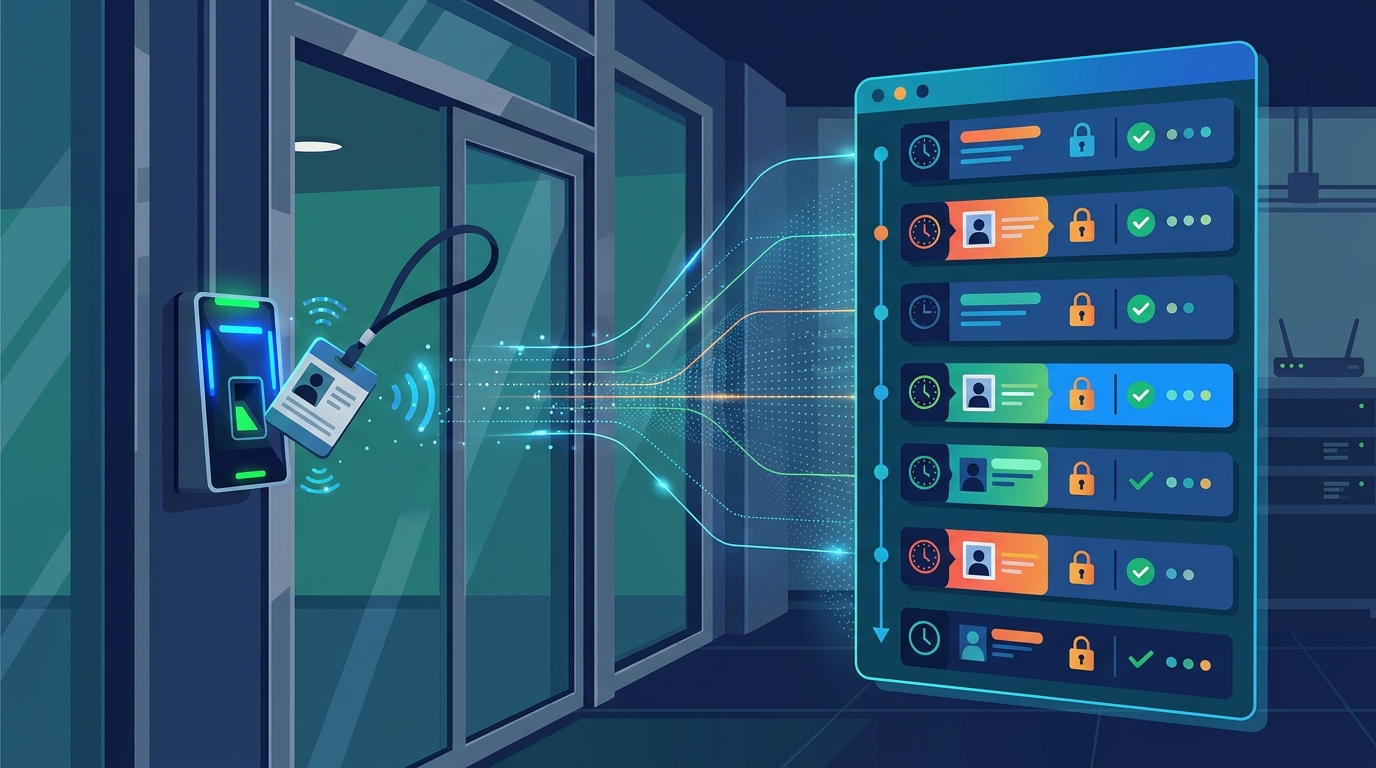
At its core, audit logging is the process of capturing and storing data about user actions within a system. In an access control environment, this means recording every badge tap, keycard swipe, or biometric scan. The system timestamps each event and links it to a specific user ID. This creates an immutable history that cannot be easily altered or deleted by unauthorized personnel.
Without this logging, a security breach is just a rumor. With it, you have facts. You can pinpoint exactly which employee accessed the server room at 2:00 AM on a Tuesday. This level of detail transforms security from a guesswork exercise into a data-driven discipline. It allows managers to verify that protocols are being followed in real time.
Enhancing Accountability and Deterrence
One of the most powerful aspects of audit logging is its deterrent effect. When employees know their movements are being recorded, they are less likely to engage in unauthorized access. This psychological barrier reduces internal threats significantly. It encourages a culture of compliance where staff respect the boundaries of their assigned zones.
Consider a scenario where a high-value asset is missing. Without logs, you must interview every employee who had potential access. With logs, you can immediately identify the specific individuals who entered the storage area during the relevant timeframe. This narrows the investigation scope from dozens of people to a handful, saving hours of management time. It shifts the burden of proof from the company to the individual.
Incident Response and Forensic Analysis
When a security incident occurs, speed is essential. Audit logs provide the forensic data needed to understand the scope of a breach. They reveal the sequence of events, showing how an intruder moved through the facility. This timeline is crucial for law enforcement and internal security teams. It helps determine if the breach was a one-time event or part of a larger pattern.
For example, if a door is forced open, the log will show the exact time and duration of the intrusion. It will also show if any other doors were compromised during the same window. This data allows security teams to patch vulnerabilities quickly. It turns a reactive crisis into a proactive learning opportunity. The logs serve as the primary evidence in any post-incident review.
Regulatory Compliance and Data Protection
Many industries are subject to strict regulations regarding data access and physical security. Audit logging helps demonstrate compliance with these standards. It provides the documentation required by auditors to prove that access controls are functioning as intended. This is particularly important for businesses handling sensitive customer data or proprietary information.
Regulators often require that access logs be retained for a specific period. They also require that these logs be protected from tampering. Moore Technology & Security works with businesses to evaluate systems based on applicable retention and protection requirements, helping support your audit readiness and compliance goals.
Optimizing Operational Efficiency
Key Takeaways
- Audit logging creates a verifiable record of all access events in a security system.
- It enhances accountability by deterring unauthorized access and simplifying investigations.
- Logs provide critical forensic data for rapid incident response and breach analysis.
- They help demonstrate compliance with industry regulations and data protection standards.
- Operational insights from logs can optimize facility usage and workflow efficiency.
- Moore Technology and Security integrates robust logging into our access control solutions.
Frequently Asked Questions
What data is typically included in an access control audit log?
How long should access control logs be retained?
Retention periods vary by industry and local regulations. Many businesses retain logs for at least one year, while some regulated industries require longer periods. It is important to consult with legal counsel to determine the appropriate retention policy for your specific situation. Moore Technology and Security can help configure your system to meet these requirements.
Can audit logs be tampered with or deleted?
Modern access control systems use secure databases and access controls to prevent unauthorized modification of logs. While administrators can delete logs, these actions are typically recorded in a separate system log. This creates a meta-log that tracks changes to the primary audit trail, ensuring integrity and accountability.
Do audit logs work with cloud-based access control systems?
How does audit logging help with employee onboarding and offboarding?
Logs provide a clear record of access rights changes during onboarding and offboarding. When an employee leaves, you can verify that their access was revoked at the correct time. This prevents former employees from retaining access to sensitive areas. It also helps identify any unauthorized access attempts after termination.
Conclusion
Audit logging is not just a technical feature; it is a fundamental component of a robust security strategy. It provides the evidence needed to protect your business, ensure compliance, and optimize operations. By understanding the value of these logs, you can make informed decisions about your access control infrastructure. Moore Technology and Security is committed to helping you implement effective logging solutions that fit your unique needs. To discuss how audit logging can enhance your security posture, contact our team. Learn more: mooretech biz.