
Preventive Maintenance Schedules for Multi-Location Security Systems
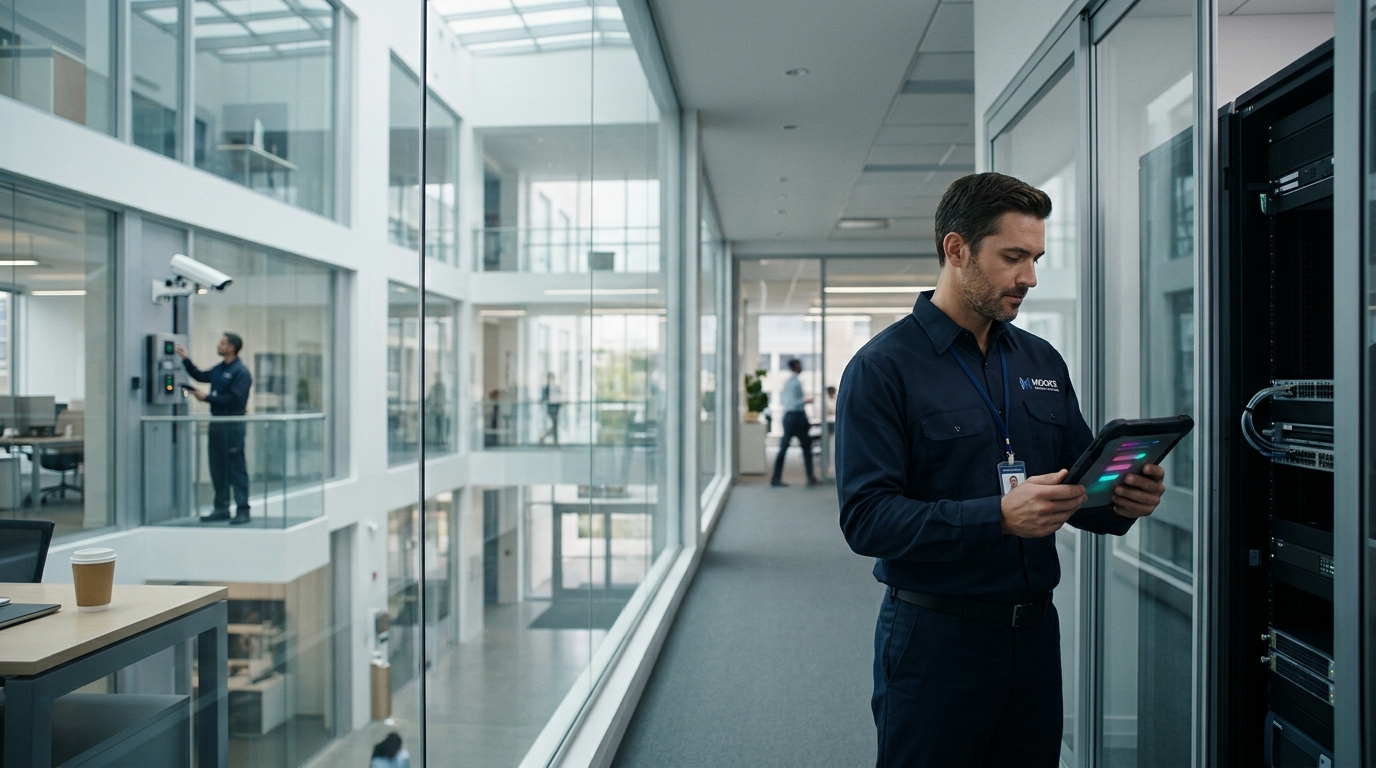
Multi-location businesses should expect a security vendor to provide a documented, recurring preventive maintenance schedule that covers physical hardware, network connectivity, and software updates. This schedule must be consistent across all sites to ensure uniform protection and compliance. Moore Technology and Security designs these programs to align with your specific operational risks and site conditions.
The Core Components of a Preventive Maintenance Program
Physical Hardware Inspection
Software and Firmware Updates
Security systems rely on software to function. Regular updates patch vulnerabilities and improve performance. A vendor should manage these updates centrally to ensure all locations run the same secure version. This reduces the attack surface across your entire portfolio.
Standard Frequency Benchmarks for Commercial Sites
Industry standards suggest specific intervals for different types of security equipment. Adhering to these benchmarks helps maintain system reliability and manufacturer warranties. The following table outlines typical maintenance frequencies for common security components.
| Component Type | Recommended Frequency | Key Tasks |
|---|---|---|
| IP Cameras | Quarterly | Lens cleaning, firmware check, image quality verification |
| Access Control Readers | Bi-Annually | Hardware inspection, credential testing, network connectivity |
| Intrusion Alarm Sensors | Annually | Zone testing, battery replacement, signal strength check |
| Network Infrastructure | Monthly | Log review, bandwidth monitoring, vulnerability scans |
These intervals are starting points. High-traffic or high-risk sites may require more frequent visits. For example, a retail store with high foot traffic may need monthly camera checks, while a back-office server room might only need quarterly inspections.
Multi-Location Consistency and Reporting
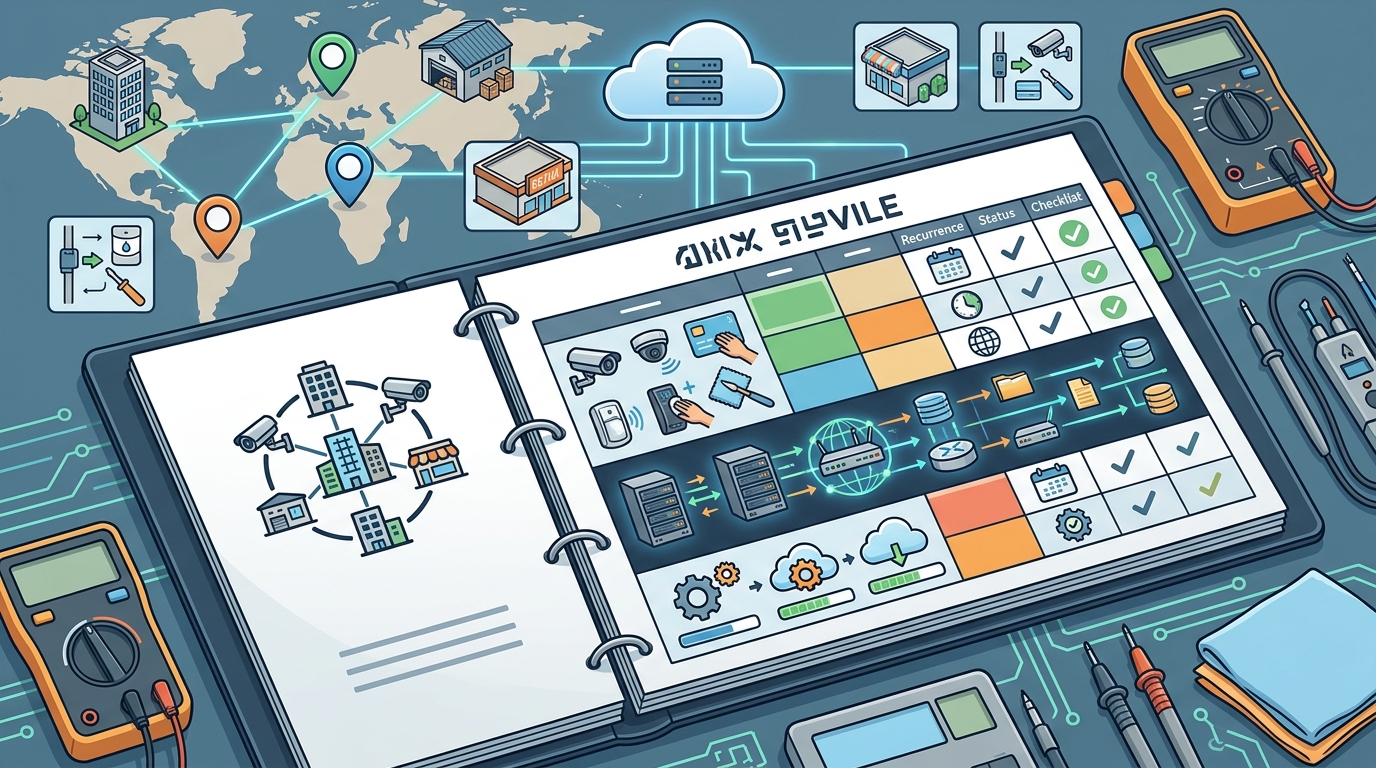
Managing security across multiple sites requires a centralized reporting structure. A vendor should provide a unified dashboard that displays the health status of every location. This allows your IT team to identify trends and prioritize repairs efficiently.
Standardized Reporting Templates
Each maintenance visit should generate a detailed report. This document should list completed tasks, identified issues, and recommended actions. Consistent formatting across all sites makes it easier to compare performance and track compliance over time.
Proactive Alerting
Modern security systems can send alerts when a device goes offline or fails a self-test. Your vendor should configure these alerts to notify your team immediately. This reduces the time between a failure and its resolution, minimizing security gaps.
Vendor Responsibilities and Service Level Agreements
A clear Service Level Agreement (SLA) defines the vendor's obligations. It should specify response times, maintenance windows, and escalation procedures. Understanding these terms helps you hold the vendor accountable for performance.
Response Time Expectations
Documentation and Compliance
Regulatory requirements often mandate regular security system inspections. Your vendor should maintain records of all maintenance activities. These records can serve as proof of due diligence in the event of an incident or audit.
Key Takeaways
- Preventive maintenance is a proactive strategy to prevent security system failures.
- Standard frequencies vary by component, with cameras often requiring quarterly checks.
- Multi-location businesses need centralized reporting to ensure consistency.
- SLAs should clearly define response times and maintenance windows.
- Regular firmware updates are critical for maintaining network security.
Frequently Asked Questions
How often should security cameras be maintained?
IP cameras typically require quarterly maintenance to clean lenses and verify image quality. High-traffic areas may benefit from monthly checks to ensure optimal performance.
What is included in a standard preventive maintenance visit?
How does a vendor manage maintenance across multiple locations?
Vendors use centralized management platforms to monitor all sites from a single dashboard. This allows them to schedule visits efficiently and track the health of each location in real time.
What should be included in a security maintenance SLA?
An SLA should specify response times for different severity levels, maintenance windows, and escalation procedures. It should also outline the vendor's responsibilities for documentation and reporting. according to 14 CFR Part
Why is documentation important for security maintenance?
Documentation provides a record of all maintenance activities, which is essential for compliance and audit purposes. It also helps identify recurring issues and plan for long-term system upgrades.