

Modern Access Control Systems for Commercial Buildings: A 2026 Guide
Modern access control systems are digital frameworks that manage who enters specific areas of a building and when. For commercial property owners, these systems replace traditional keys with encrypted credentials, providing granular oversight and audit trails. Moore Technology and Security helps businesses in Montana, Texas, and Colorado implement these solutions to protect assets and streamline operations. This guide outlines the essential components, benefits, and integration strategies for 2026. For additional details, review the mooretech biz.
Core Components of a Modern System
Understanding the hardware and software layers is the first step in selecting the right solution. A robust access control system is a combination of physical readers, controllers, and a central management interface. These elements work together to verify identity and grant or deny entry in real time. For additional details, review the Customer Experience.
Readers and Credentials
Controllers and Software
Controllers process the data from readers and communicate with the central software. The software interface allows administrators to define user permissions, set time-based rules, and generate reports. Cloud-based platforms are now standard, allowing remote management from anywhere. This flexibility is crucial for businesses with multiple locations or distributed teams. For additional details, review the Frequently Asked Questions.
Security Benefits Beyond Key Management
The primary advantage of access control is enhanced security. Traditional keys can be copied, lost, or stolen without the owner knowing. Digital credentials can be instantly revoked if a device is lost or an employee leaves. This immediate response capability significantly reduces the risk of unauthorized access. For additional details, review the About.
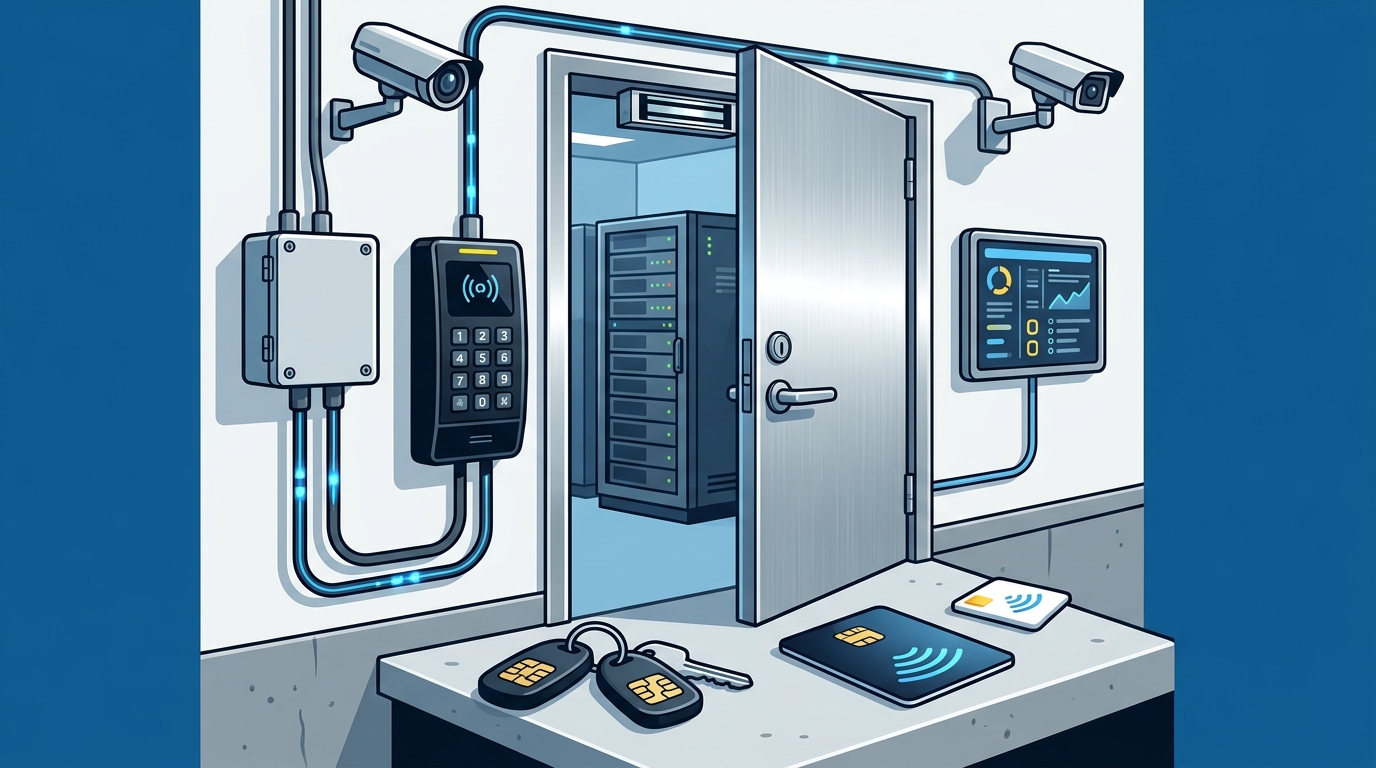
Furthermore, access control systems provide detailed audit logs. These logs record every entry and exit event, including the user, time, and location. This data is invaluable for investigating security incidents and verifying compliance with internal policies. For example, a business can quickly identify who accessed a server room during a specific time window. This level of visibility is impossible with traditional mechanical locks.
Operational Efficiency and Integration
Integration with time and attendance software is another key benefit. Employees can clock in and out using the same credentials they use for entry. This eliminates the need for separate time clocks and reduces administrative overhead. It also ensures accurate payroll data by linking work hours directly to physical presence. Moore Technology and Security specializes in integrating these disparate systems to create a unified platform for commercial clients.
Implementation Considerations for 2026
Implementing an access control system requires careful planning. The first step is a thorough site assessment. This involves mapping out all entry points, identifying high-security zones, and understanding existing infrastructure. A professional assessment ensures that the system design meets the specific needs of the building.
Key Takeaways
- Modern access control systems replace physical keys with digital credentials, offering instant revocation and detailed audit logs.
- Cloud-based platforms enable remote management and integration with other building systems like lighting and HVAC.
- Integration with time and attendance software reduces administrative overhead and improves payroll accuracy.
- A thorough site assessment is essential to design a system that meets specific security and operational needs.
- Robust network infrastructure is critical for the reliable operation of modern access control systems.
- Scalability ensures the system can grow with the business, protecting long-term investment.
Frequently Asked Questions
What is the difference between access control and physical security?
Access control is a specific component of physical security that manages entry and exit. Physical security encompasses a broader range of measures, including surveillance cameras, intrusion alarms, and physical barriers. Access control is the digital layer that controls who can access specific areas.
Can access control systems work without an internet connection?
How long does it take to install an access control system?
Installation time varies depending on the size and complexity of the building. A small office with a few doors might take a few days. A large commercial facility with dozens of doors and multiple floors could take several weeks. A professional assessment helps provide a more accurate timeline.
Are mobile credentials secure?
Mobile credentials use encrypted communication between the smartphone and the reader. This makes them highly secure and difficult to clone. However, like any digital technology, they are subject to potential vulnerabilities. It is important to choose a reputable vendor and keep the system software updated to mitigate risks.
How does access control integrate with video surveillance?
Access control systems can trigger video cameras to record when a door is opened. This creates a visual record of who entered and exited a specific area. The video footage is linked to the access log, providing a complete picture of activity. This integration is valuable for investigating security incidents and verifying compliance. Learn more: mooretech biz.